The Trash We forget:
A Love Letter to the Planet We're Slowly Burying
Every morning, somewhere in the world, a mother wakes up her child in a home built beside a mountain of garbage. Not a hill. A mountain — one made of yesterday’s convenience, last week’s packaging, last year’s “I’ll deal with it later.”
We don’t see it. That’s the problem.
Our trash disappears the moment the truck pulls away from our curb. Out of sight, out of mind. But it doesn’t disappear — it just moves somewhere else, to someone else’s backyard, someone else’s river, someone else’s lungs. This is the hidden cost of waste management in the modern world, and it’s a cost we’ve all been paying without noticing.
The Story We Don't Tell Ourselves
Think about the last plastic bottle you threw away. It took you thirty seconds to drink the water inside it. That bottle will now spend the next 450 years breaking down into smaller and smaller pieces — pieces so small they’ll end up in the fish we eat, the salt we cook with, even the air we breathe.
Thirty seconds of convenience. Four hundred and fifty years of consequence.
That’s not a fair trade. And deep down, we know it.
This is why plastic waste recycling and sustainable waste disposal aren’t just environmental buzzwords — they’re acts of quiet resistance against a system built for disposability.
It's Not Guilt We Need — It's Belonging
This isn’t about shame. Nobody wants to be lectured into caring. What actually moves people is a sense of belonging to something bigger — the feeling that your small act is stitched into a much larger act of love for the world your children will inherit.
So let’s reframe this:
- Separating your waste isn’t a chore. It’s a five-minute act of care for a stranger’s child you’ll never meet.
- Composting isn’t “extra work.” It’s giving the earth back what it gave you.
- Saying no to a plastic bag isn’t inconvenient. It’s one less thing that outlives you by four centuries.
When you see it this way, recycling at home stops being a rule and starts being a relationship.
Why Waste Segregation Matters More Than You Think
Waste segregation at source — separating wet waste from dry waste, and recyclables from non-recyclables — is the single most powerful habit any household can build. It’s the foundation that everything else in the recycling chain depends on. Without it, even the most advanced recycling facility can’t do its job.
Here’s what proper household waste segregation actually protects:
- Landfill space, which is shrinking every year in cities around the world
- Groundwater, which gets poisoned by leachate from mixed, rotting waste
- Recycling efficiency, since contaminated recyclables often get rejected and sent to landfill anyway
- Public health, particularly for waste workers who sort trash by hand in many parts of the world
If you take away one thing from this post, let it be this: segregating your waste at home is not optional anymore. It’s the starting line.
What You Can Actually Do — Starting Today
You don’t need to overhaul your life overnight. Real change is built from small, repeatable habits:
- Separate at the source. Keep two bins — wet waste and dry waste. This one habit alone makes recycling infrastructure work the way it’s meant to.
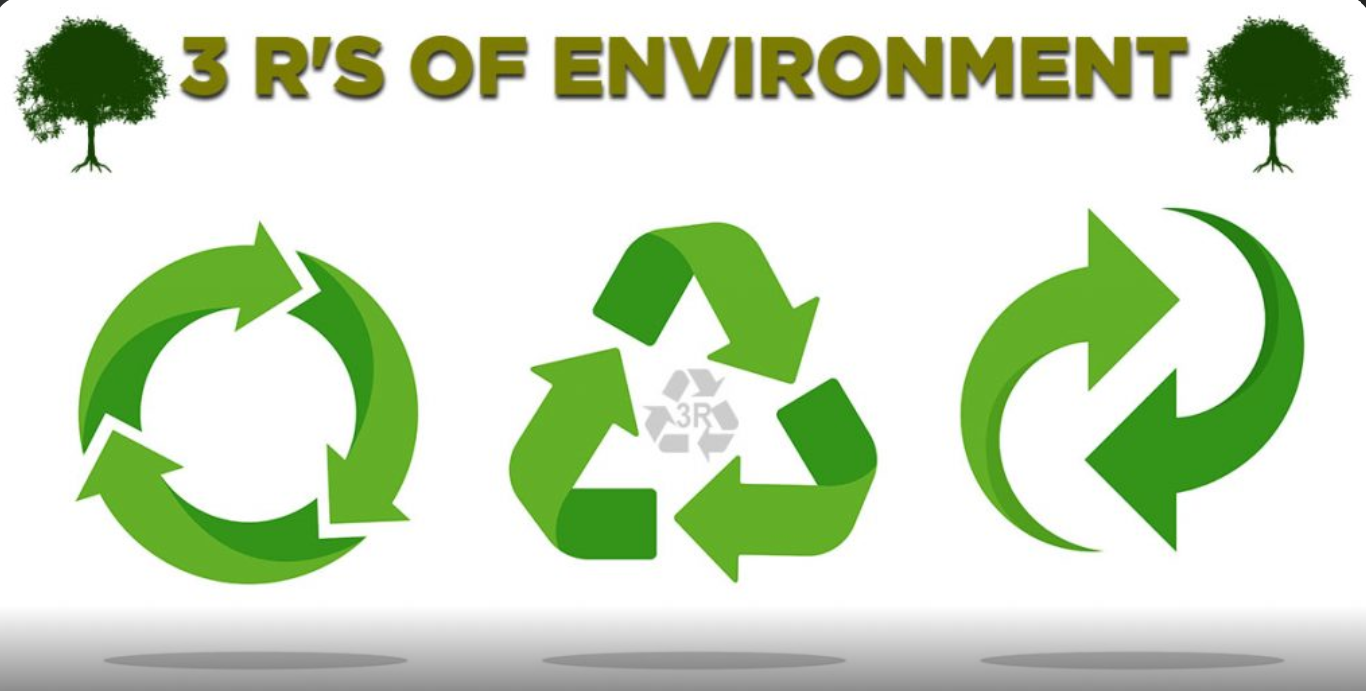
- Refuse before you reduce. Say no to what you don’t need before you even think about recycling what you do. This is the heart of the reduce, reuse, recycle philosophy — refuse comes first.
- Compost your kitchen waste. Fruit peels, vegetable scraps, tea leaves — they don’t belong in a landfill. They belong in soil, becoming life again. Home composting is one of the easiest ways to cut your household waste in half.
- Buy less, choose well, make it last. The most sustainable product is the one you already own. This is the essence of zero waste living.
- Recycle e-waste responsibly. Old phones, batteries, and chargers contain toxic materials that should never end up in a landfill. Look for certified e-waste recycling centers near you.
- Talk about it. Tell your neighbor. Teach your kid. Post about it. Culture changes one conversation at a time.
The Hidden World of E-Waste
Somewhere in a drawer in your house, there’s probably an old phone, a dead charger, or a broken laptop. Multiply that drawer by a billion households, and you get one of the fastest-growing waste streams on the planet: electronic waste.
E-waste management matters because these devices contain both valuable materials — gold, copper, rare earth metals — and dangerous ones, like lead and mercury. Thrown into a regular landfill, they leach toxins into soil and water. Properly recycled, they become raw material for the next generation of electronics.
The solution isn’t complicated: find a certified e-waste collection center, and give that drawer a proper goodbye.
The Truth About "Someone Else Will Fix It"
We’ve been waiting for governments, corporations, and future technology to solve this for us. And maybe they will, someday. But the earth isn’t asking us to wait for perfect solutions — it’s asking us to stop making the problem bigger while we wait.
Every bottle you recycle, every meal you don’t waste, every bag you refuse — it’s a small rebellion against a culture of disposability. And small rebellions, repeated by millions of people, are exactly how the world has always changed. This is the quiet power behind the global movement toward sustainable waste management and environmental conservation.
A Different Kind of Legacy
We spend so much energy thinking about what we’ll leave behind for our children — money, memories, values. But right now, without meaning to, many of us are leaving behind mountains of waste instead.
Imagine a different legacy. One where your grandchildren walk along a clean river because you chose, decades earlier, to care about where your trash went. One where a mountain doesn’t grow — because enough people decided it shouldn’t.
That future isn’t out of reach. It starts today, in your kitchen, with a bin.
The planet isn’t asking for perfection. It’s asking for participation.
What’s one small waste habit you’re going to change this week? Start there. The rest will follow.